SERVICES
Count on the support of those who have been producing and delivering quality for over 70 years.
Count on the support of those who have been producing and delivering quality for over 70 years.
With a focus on your safety, Nakata offers power transmission products with exceptional robustness, efficiency, and durability.
SEARCH IN OUR CATALOG
Driveline components transmit the torque and rotation from the engine to the wheels in rear-wheel drive or 4x4 vehicles. They ensure the transmission of motion even with variations in wheel angle and height. Essential for the efficiency and safety of the transmission system.

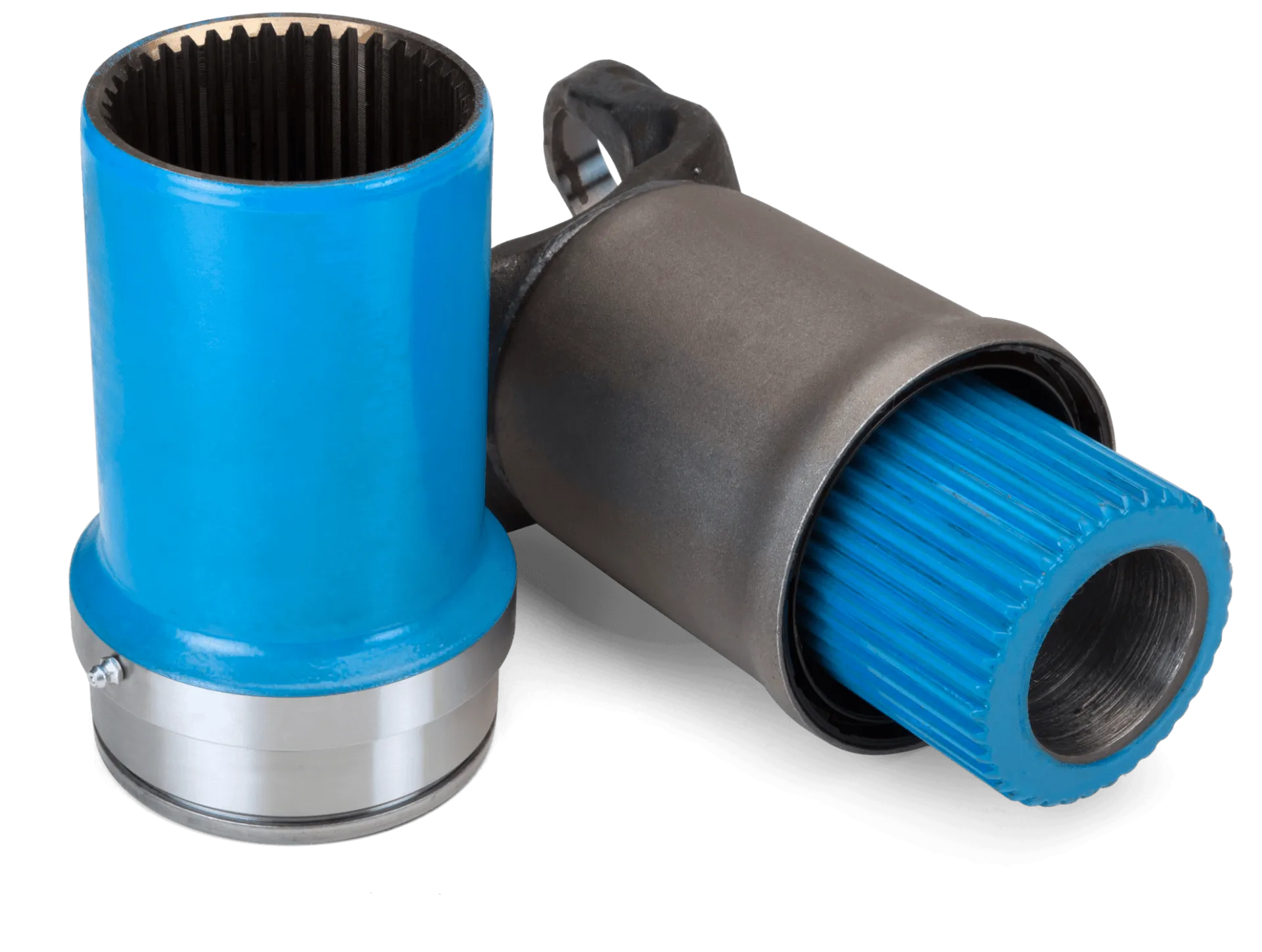
Nakata's driveline components are the reliable choice to ensure the efficiency and durability of the vehicle's transmission system. Produced through advanced processes of high-precision forging or casting, these components facilitate the balancing of the assembly, resulting in greater strength and reliability. With low levels of vibration and noise, they provide a smooth and comfortable driving experience. Furthermore, Nakata's driveline components are designed to meet the needs of most of the national fleet of pickups, trucks, and buses, demonstrating their wide application and trust in the market.
Function: The universal joint is responsible for transmitting torque and rotation through the driveshaft, allowing for angle variations. It plays a fundamental role in the transmission of force and motion between the components of the system.
How to detect problems: It is important to check for play and abnormal noises in the universal joint, as this can indicate wear or the need for adjustment.
Function: The bearing housing has the important function of absorbing vibrations and interconnecting two or more driveshafts. It helps ensure stability and smoothness in the transmission of force between components.
How to detect problems: Pay attention to play in the bearing, excessive vehicle vibrations, and unusual noises, as these signs may indicate wear or issues with the bearing housing.
Function: These components allow axial movements, torque transmission, and rotation with low levels of vibration and noise. They are essential for the proper functioning of the transmission system.
How to detect problems: Check for play in the splines and be alert to abnormal noises during operation, as these symptoms may indicate issues with these parts.
Function: The end yoke is used in vehicles with more than one driveshaft, connecting them. It is also used at the gearbox output and on the differential axle, ensuring an efficient power transmission.
How to detect problems: It's important to check for play or wear in the yoke seating and in the terminal's oil seal, as this can compromise the performance and safety of the system.
Function: The tubes tokes is responsible for joining the tube with the yoke, ensuring a firm and precise connection.
How to detect problems: Be attentive to possible clearances or wear in the yoke's seating on the tubes yokes, as this can affect the efficiency of power transmission.
Function: The flange's function is to couple the yoke with the gearbox and/or differential, ensuring a secure and stable connection.
How to detect problems: Check for clearance or wear in the yoke's seating on the flange, as this can compromise proper power transmission.

Search for codes and applications of the parts you desire in our electronic catalog.
ACESSAR CATÁLOGO